Aug 06, 2026

Contract Food Manufacturing in Australia: The Complete Guide

Contract food manufacturing is when a brand gets a third-party manufacturer to produce its food or beverage products on its behalf. Rather than building your own production facility, you partner with someone who already has the equipment, the certifications, and the expertise to make, package, and ship your product.

This model is used by everyone from first-time founders launching a new product, through to established brands that want to expand their range without investing in new facilities. In Australia, contract manufacturing (sometimes called co-manufacturing or co-packing) is a well-trodden path to getting food and beverage products onto shelves.

This guide explains how the process works, what to look for in a manufacturing partner, and how to set your project up for success from the start.


Maltra banner ideas come to life


How Contract Food Manufacturing Works in Australia

The process follows a clear path from your initial brief through to production and delivery. While the details change depending on the manufacturer and the product, the overall structure is consistent.


The Development and Formulation Phase

Everything starts with a brief. You tell the manufacturer what you want to make, who it is for, and any specific requirements you have around ingredients, claims, certifications, or packaging.

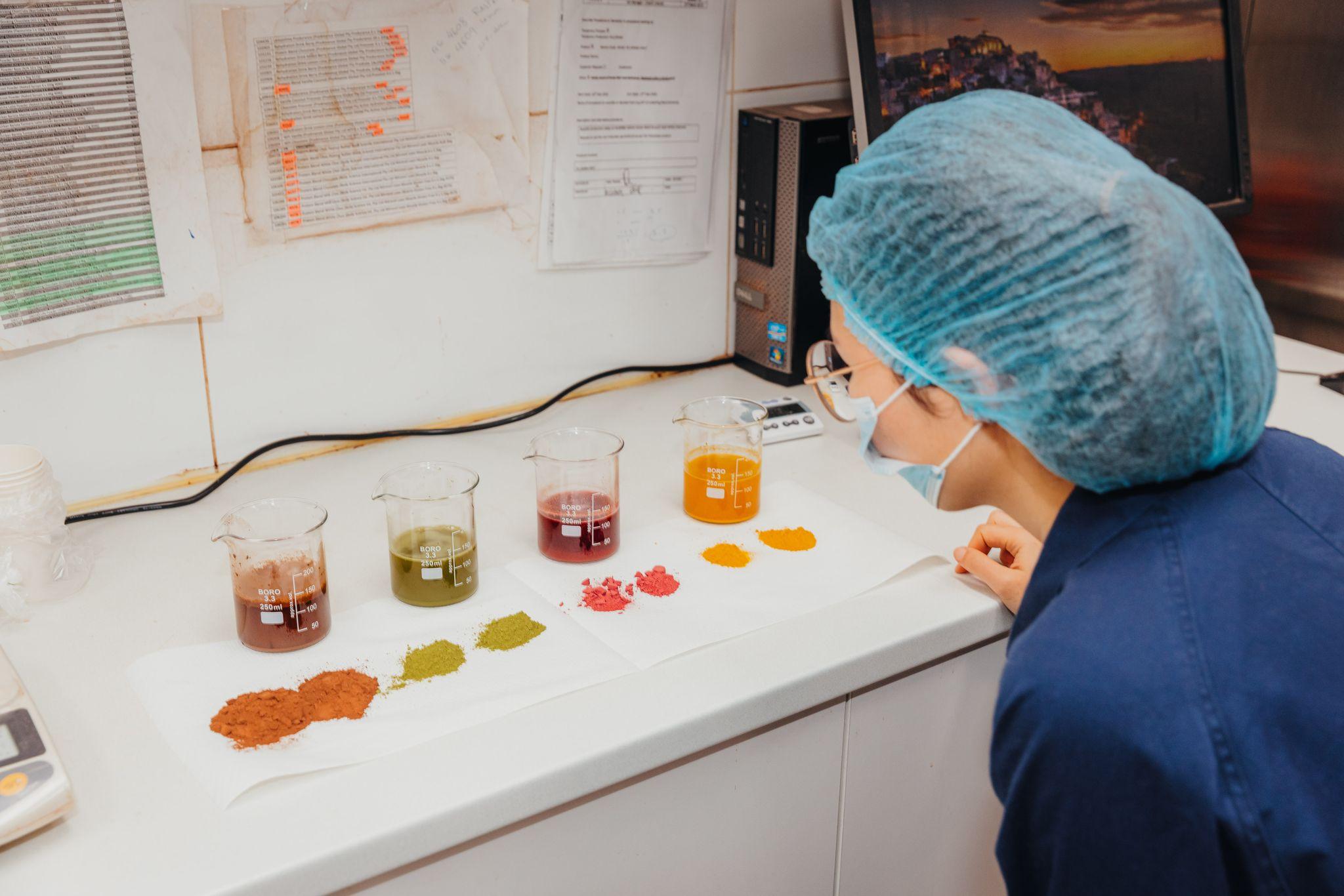
Their R&D team takes that brief and starts working on a formulation. This usually involves:

  • Sourcing ingredients and running cost analysis
  • Developing a formula that hits your targets for flavour, nutrition, and function
  • Providing preliminary costings and minimum order quantities

Most manufacturers charge a development fee upfront. This covers the R&D time, ingredient costs, and lab work that goes into creating your first samples. It is a standard part of the process.


Sampling, Testing, and Approval

Once the initial formula is ready, you will receive a sample to assess. You test it on flavour, texture, appearance, and nutritional profile, then give your feedback.

Most products go through one or two rounds of revisions before the final version is locked in. At that point, the manufacturer confirms pricing, minimum order quantities, and production lead times. Shelf-life testing may also kick off during this phase to make sure the product stays stable over time.


Production, Packaging, and Delivery

Once you sign off, the manufacturer orders raw materials, schedules your run, and produces the product. Depending on what you are making, this might involve dry blending, liquid blending, or both.

The finished product is then packed to your specifications, coded with batch numbers and best-before dates, and prepared for dispatch. Most Australian contract manufacturers can ship anywhere domestically or prepare goods for export.

Types of Products You Can Contract Manufacture

Australian contract manufacturers cover a wide range of food and beverage categories. Capabilities vary, so it is important to match your product type with a partner that has the right equipment and know-how.

Some of the most common product categories include:

Category Examples
Sports nutrition and supplements Protein powders, plant-based protein powders, pre-workouts, amino acid blends, meal replacements
Hot beverages Drinking chocolate, chai tea, coffee blends, superfood lattes
Cold beverages Smoothie purees, milkshake toppings, coffee syrups, frappes
Baking mixes Pancake mixes, cake mixes, bread mixes, gluten-free blends
Soft serve and yoghurt Soft serve bases, frozen yoghurt blends
Sweeteners Sweetener blends for foodservice and retail


Manufacturers generally specialise in either powdered products, liquid products, or both. Understanding where their strength lies helps you figure out whether they are the right fit.


Key Certifications to Look for

Food safety certifications are not optional. They show that a manufacturer runs documented systems designed to prevent contamination, maintain traceability, and deliver consistent product quality.

HACCP (Hazard Analysis Critical Control Points) is the baseline standard in Australia. It means the manufacturer has identified potential food safety hazards at each stage of production and has controls in place to manage them. Most Australian food businesses are legally required to operate under a HACCP-based food safety program.

GFSI-benchmarked schemes like SQF, BRC, and FSSC 22000 go further. They cover things like supplier management, internal auditing, and continuous improvement. If you want to sell through major retailers or export overseas, a GFSI-recognised certification is often a requirement.

Depending on your product and market, you might also need:

  • Halal certification for products targeting Muslim consumers in Australia or export markets
  • Kosher certification
  • Vegan and gluten-free certification to back up on-pack claims
  • Organic certification if you are using certified organic ingredients

Your manufacturer should be upfront about which certifications they hold and which they can support for your product. Maltra Foods operates under HACCP-certified quality systems with full traceability from ingredient lot to finished goods.

Um Dq Jo Kw


Benefits of Partnering with a Contract Manufacturer

You avoid a massive upfront investment. Building a food-safe production facility costs serious money in equipment, premises, certifications, and staff. Contract manufacturing gives you access to all of that infrastructure without the capital outlay.

You get access to people who do this every day. Contract manufacturers employ food technologists, quality assurance managers, and production specialists who have worked across dozens of product categories. Their experience speeds up your development and helps you avoid costly mistakes.

You can scale up or down as needed. Whether you need a small test run to gauge demand or a large production run for a retail launch, the manufacturer adjusts to your volume. You do not have to worry about underutilised equipment.

You get to market faster. Equipment, supply chains, and quality systems are already in place. A contract manufacturer can move from approved formula to finished product much faster than you could if you were building everything from scratch.

You can focus on growing your brand. Let the manufacturer handle production while you concentrate on sales, marketing, distribution, and building your customer base.


How to Choose the Right Contract Food Manufacturer

Picking the right manufacturing partner is one of the most important decisions you will make. Here is what to evaluate:

  • Can they actually make your product? Do they have the right equipment, whether that is dry blending, liquid filling, sachet packing, or something else?
  • Do they hold the right certifications? Match their food safety and quality certifications to what your product and target market require.
  • Do they have in-house R&D? Food technologists who can help develop and refine your formula are invaluable, especially for first-time products.
  • How long have they been doing this? Experience in your specific product category makes a real difference.
  • How do they communicate? A dedicated project manager or single point of contact keeps things moving and prevents things falling through the cracks.
  • Can they handle your packaging? In-house packaging capabilities simplify the process and reduce the number of suppliers you need to coordinate.
  • Where are they based? Location affects shipping costs, lead times, and how easy it is to visit the facility.

If you can, visit the facility or request a virtual walkthrough. Seeing the production environment firsthand gives you a much better sense of their standards and capability.


What to Include in Your Manufacturing Brief

A thorough brief is the foundation of a good manufacturing relationship. The more detail you provide upfront, the more accurate the manufacturer's response will be.

Your brief should cover:

  • Who you are: A short overview of your business, brand positioning, and target market
  • What you want to make: Product description, flavour, format, and any products you want to benchmark against
  • Ingredients and claims: Key ingredients you want included, claims you plan to make (e.g. vegan, gluten-free, high protein), and any ingredients to avoid
  • Packaging: Preferred format (pouch, tub, sachet, jar), size, and any design specs
  • Volume: Estimated quantities for your first order and ongoing supply
  • Certifications: Any specific requirements like halal, kosher, or organic
  • Timeline: When you need the product ready
  • Budget: If you have a target cost per unit or overall project budget, sharing it helps the manufacturer scope the project properly


Ready to get started? Send your brief to Maltra Foods and our project management team will come back to you with a clear plan and timeline.


Looking for a contract food manufacturer in Australia?

Maltra Foods is 100% Australian-owned and specialises in powdered and liquid food and beverage products. We manage the full process from formulation to packaging and delivery. Get in touch to discuss your project, or see how we work.

Front image down the line Pete Glenane re edit


FAQ's about Contract Food Manufacturing


What is the difference between contract manufacturing and co-packing?

The terms are used interchangeably in most conversations. Technically, contract manufacturing tends to cover the full process from formulation to finished goods, while co-packing sometimes refers just to packaging and packing an already-produced product. When you are talking to potential partners, focus on the specific services they offer rather than getting caught up in terminology.


How much does contract food manufacturing cost?

It depends on the product, ingredients, packaging, volume, and any certifications you need. Most manufacturers charge a development fee for the R&D work and then a per-unit cost for production. The best way to get an accurate number is to share your brief and request a detailed quote.


Can I bring my own recipe to a contract manufacturer?

Yes. If you already have a recipe, the manufacturer's R&D team can adapt it for commercial-scale production. That might mean tweaking ingredient ratios, substituting home-kitchen ingredients for commercial-grade equivalents, or adjusting the process to suit their equipment. Confidentiality agreements are standard practice.


Who owns the recipe?

It depends on where the recipe came from. If you bring your own recipe, it stays yours. We adapt it for commercial production under a confidentiality agreement, and we don't use it for anyone else. If our R&D team develops a formula for you from a brief, who owns it is set out in your manufacturing agreement before development starts.


What is the minimum order quantity for food manufacturing?

This varies depending on the manufacturer, the product, and the packaging. Some manufacturers offer smaller initial runs to help brands test the market before scaling up. Raise this early in the conversation so the manufacturer can advise on what is realistic.


Can you source my packaging?

Yes. We can source packaging for you, or we can pack into materials you supply. We pack a range of formats:

  • Sachets from 20 g
  • Stand-up pouches and doypacks
  • Jars
  • Composite cans
  • Bulk bags up to 500 kg for foodservice and further processing


How long does the contract manufacturing process take?

From initial brief to first production run, plan for somewhere between 12 and 20 weeks. Simpler products with standard ingredients and packaging move faster. Complex formulations that require multiple rounds of sampling or custom packaging will take longer.


What do I need in place before I order?

You don't need a factory, but you do need a few business basics:

  • An ABN and a registered business name, plus a trademark search on your brand name before you print packaging.
  • Label-ready artwork that complies with the Food Standards Code, including plain English allergen labelling (PEAL), a nutrition information panel and country-of-origin labelling.
  • Barcodes (GS1) if you plan to sell through retailers.
  • Product liability insurance. Most retailers and distributors ask for it.
  • A recall plan. Food businesses that supply products wholesale need one under the Food Standards Code, and major retailers will check.
  • Check with your local council or state food authority whether your business needs to register or notify. Rules differ by state and depend on whether you store or handle food yourself.
  • A sales plan for your first run, so your minimum order doesn't sit in a warehouse eating into its shelf life.

If you're missing some of these, send your brief anyway. We can tell you what's needed at each stage.


More News